Create a Country
1. Where will your country be located?
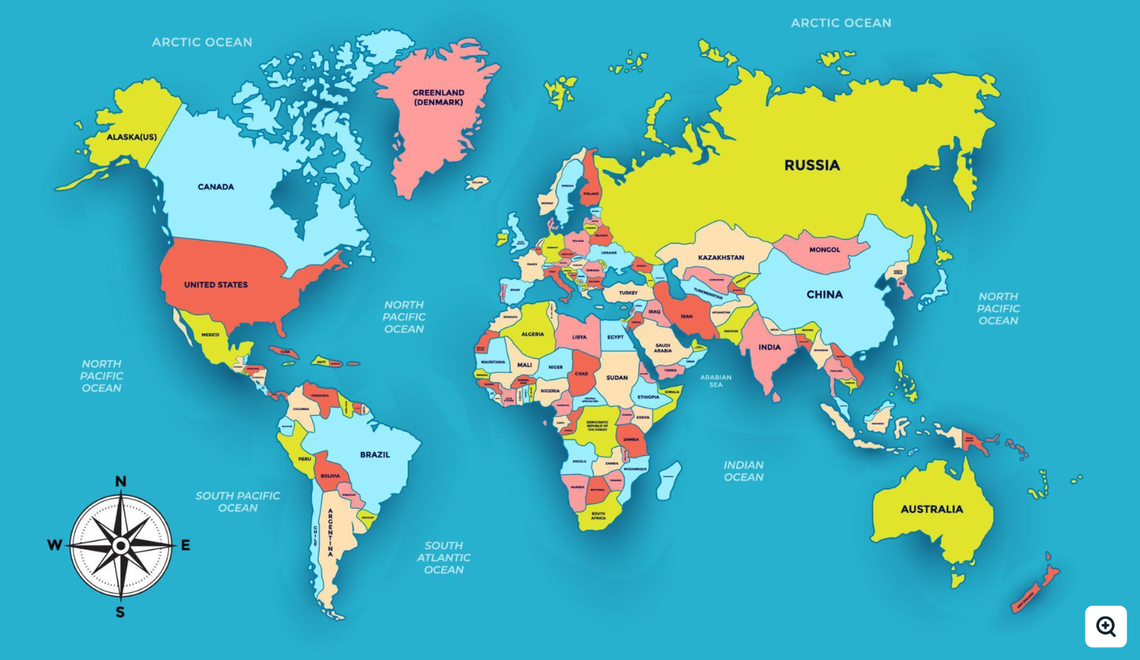
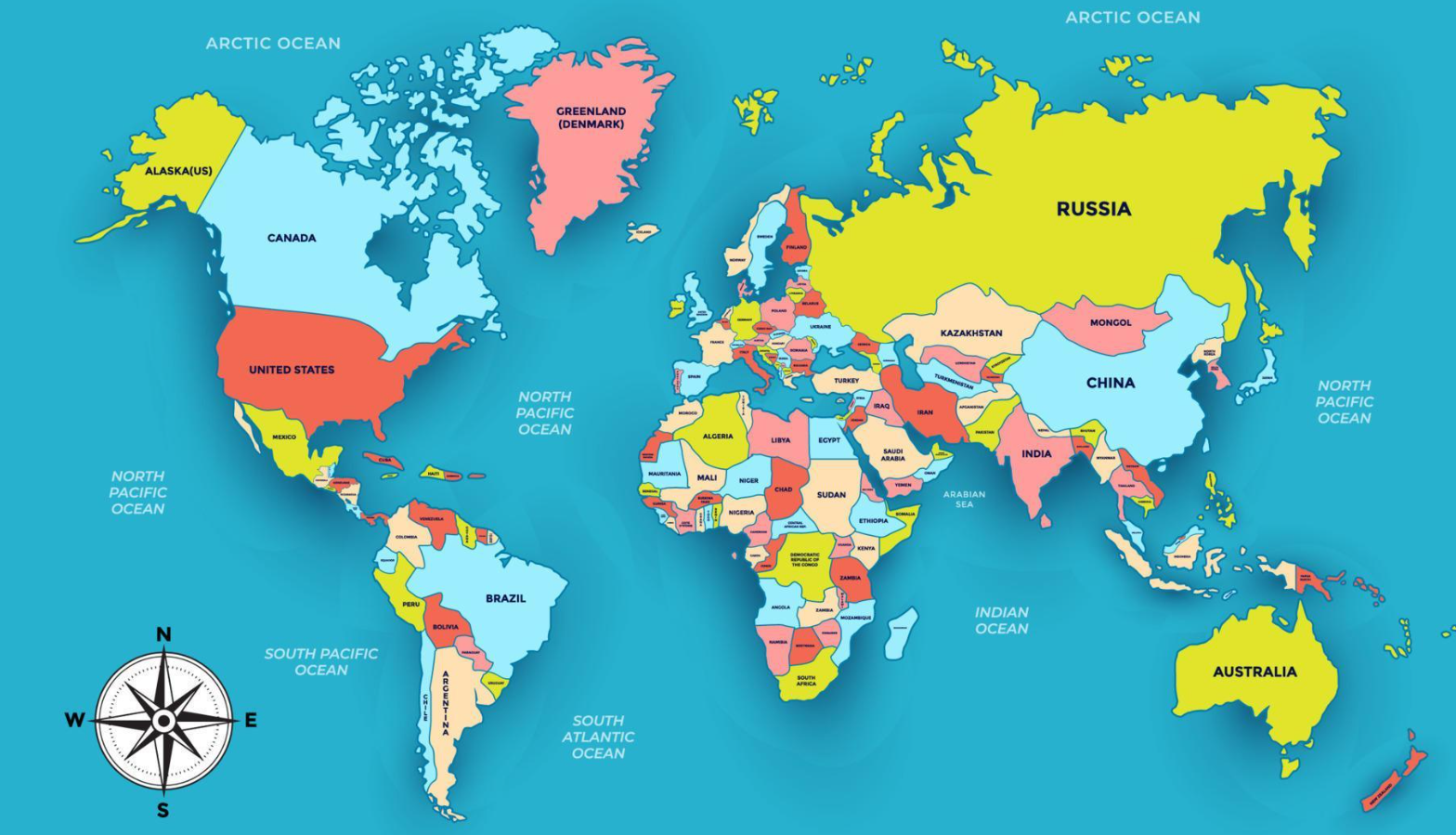
When choosing the location of your country, think about what the land can offer and what challenges it might bring. Does it have access to water for trade and defence? Are there valuable natural resources like minerals or fertile land? Consider the terrain too – mountains, deserts, or forests can protect you or isolate you. Think about nearby trade routes, your neighbours, and the risk of natural disasters. Make sure there’s space for your population to grow, and choose a location that matches your country’s identity and long-term goals, whether that’s peace, power, innovation, or neutrality.
2. What will you name your country?
Helpful Naming Templates
- ___land
- ______stan
- ______ia
- _____haven ("safe place")
- ____ aria / eria / elia
- ____on / era / ar / or
- Republic of ______
- Kingdom of ______
- United ______
- New ______
- The ______ Isles
- The Sovereign State of ______
How are countries typically named?
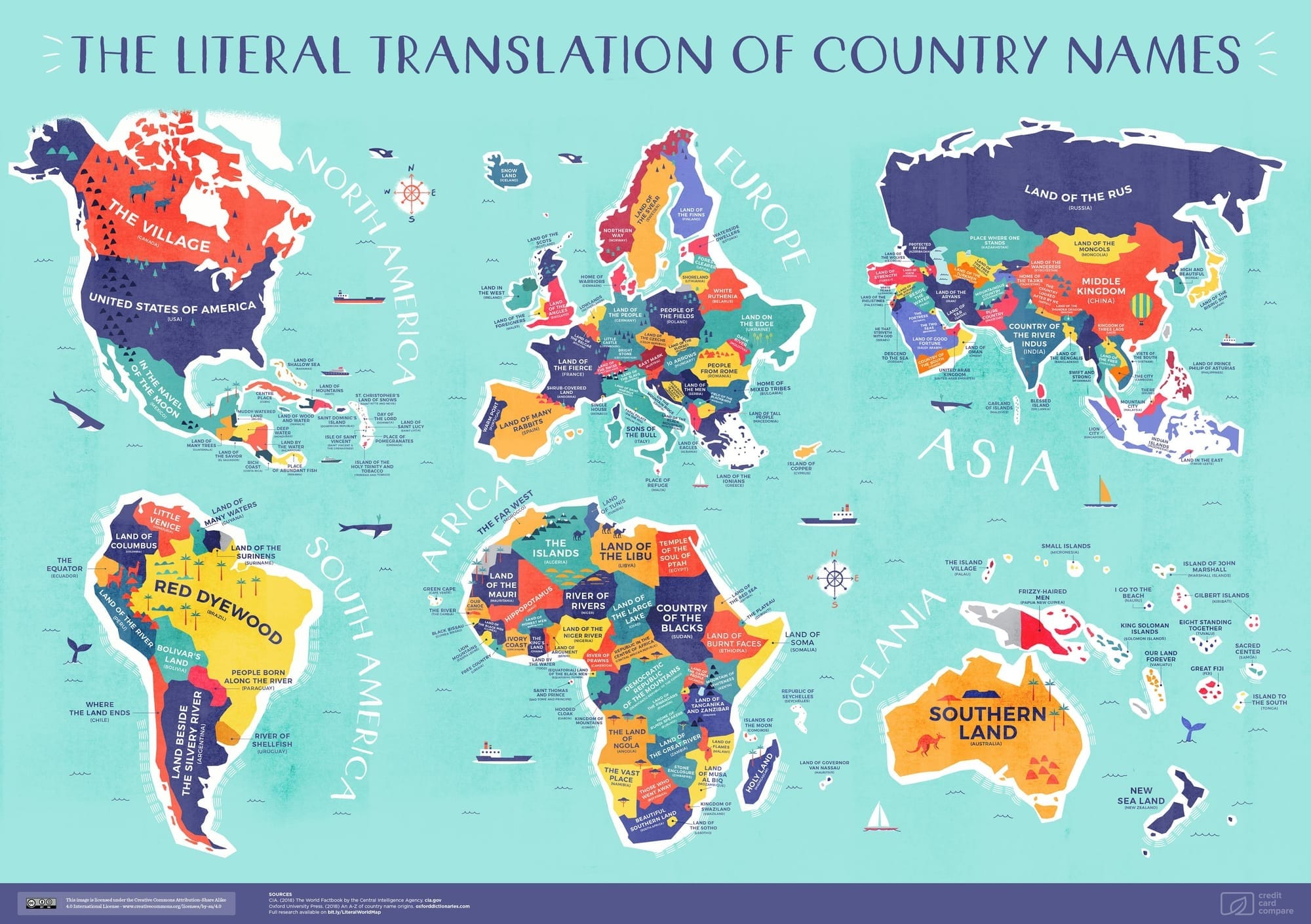
Countries are often named in different ways, and understanding the patterns can help you come up with your own. Some names are based on geography and simply point out what the land is like.
Iceland means “land of ice”, Switzerland refers to the Swiss valleys. Though, don’t go thinking you have to be so precise… Erik the Red named Greenland in the 980s, hoping the appealing name would encourage settlement, as parts of the coast were indeed green and grassy.
Some are named after the people or tribes who first lived there, like France (Franks), England (Angles), Russia (Rus people), or Slovakia (Slovaks).
A third group is named after leaders or founders, where countries take on the name of a famous figure, like Bolivia (Simón Bolívar), the Philippines (King Philip II), or Colombia (Christopher Columbus). Some nations draw on nature or symbols, picking names linked to animals, plants, or features of the landscape, such as Argentina (“land of silver”), Singapore (“lion city”), Canada (“village”), or Chile (“where the land ends”).
Others lean into idealistic or meaningful themes, like Liberia (liberty), the United States (a united group of states), or the United Kingdom (a kingdom brought together under one crown).

3. What will be the shape of your country?
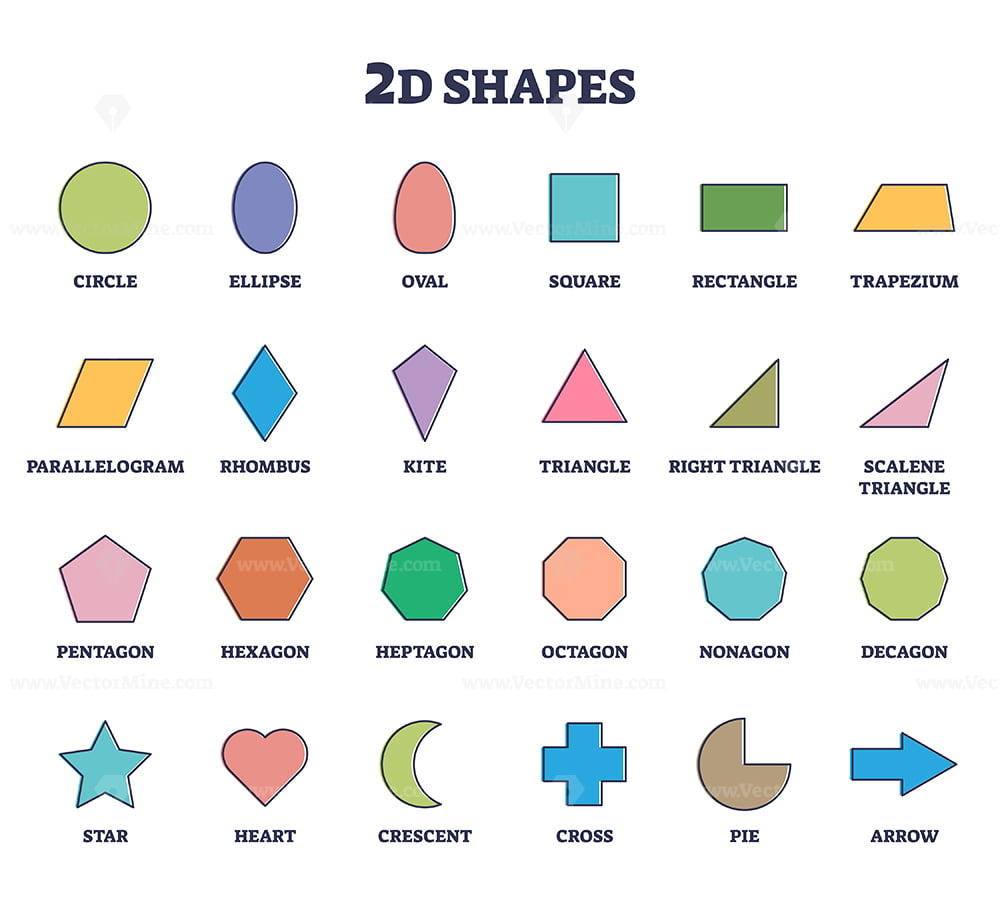
We don’t normally think about the shape of a country, but if you had to choose one, the outline could actually influence a lot more than you’d expect. It’s not just about beauty on a map – the shape can affect how your country functions, grows, and connects with the world... heck, I mean no one wants a pointy beach. Right?!
Here are a few things to take into consideration when choosing your shape
- Borders... Defence... Transport... Trade... Culture... Unity...
- Diversity... Resources... Coastline ... Connections... Strategy...
4. What will be the population size and how big will your country be?
Do you imagine something small and peaceful, like Iceland? Something wide and open, like Canada? Maybe a compact and densely populated place, like the Netherlands or Belgium? Or perhaps a larger, more influential country, like Germany or France? The size and population you choose will shape daily life, culture, and how your country functions.
1. Mega Population (100M+)
- India: 1.46B people, 3.3M km², density 492/km²
- USA: 347M, 9.4M km², 38/km²
2. Large & Powerful
- Germany: 84M people, 357K km², 241/km²
- Brazil: 212M, 8.5M km², 25/km²
3. Medium Countries
- South Korea: 51M people, 100K km², 529/km²
- Spain: 47M, 506K km², 96/km²
4. Small & Stable
- Iceland: 398K people, 103K km², 4/km²
- Ireland: 5.3M, 70K km², 77/km²
5. Huge Land, Low Population
- Canada: 40M people, 10M km², 4/km²
- Australia: 27M, 7.7M km², 4/km²
6. Densest Places
- Monaco: 38K people, 2 km², 19,000/km²
- Singapore: 5.8M, 710 km², 8,177/km²
7. Least Dense
- Mongolia: 3.5M people, 1.6M km², 2/km²
- Greenland: 56K, 2.2M km², 0.14/km²
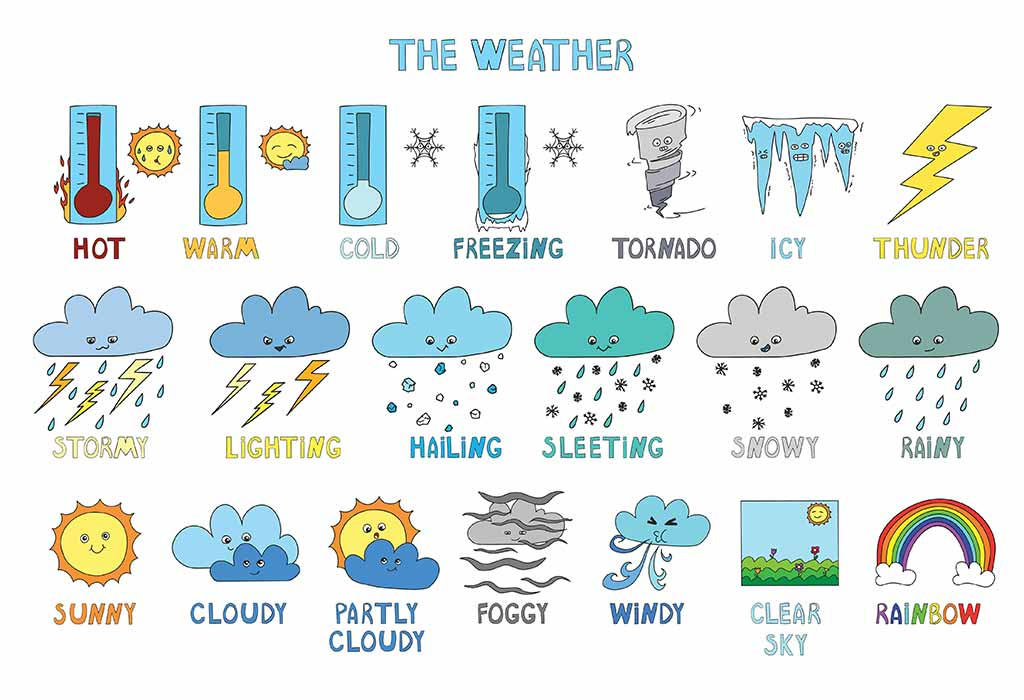
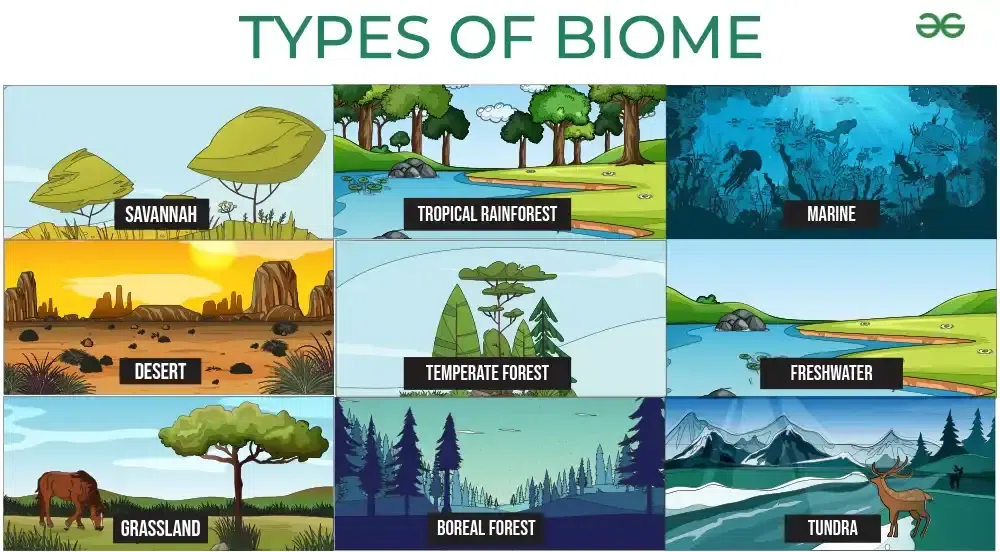
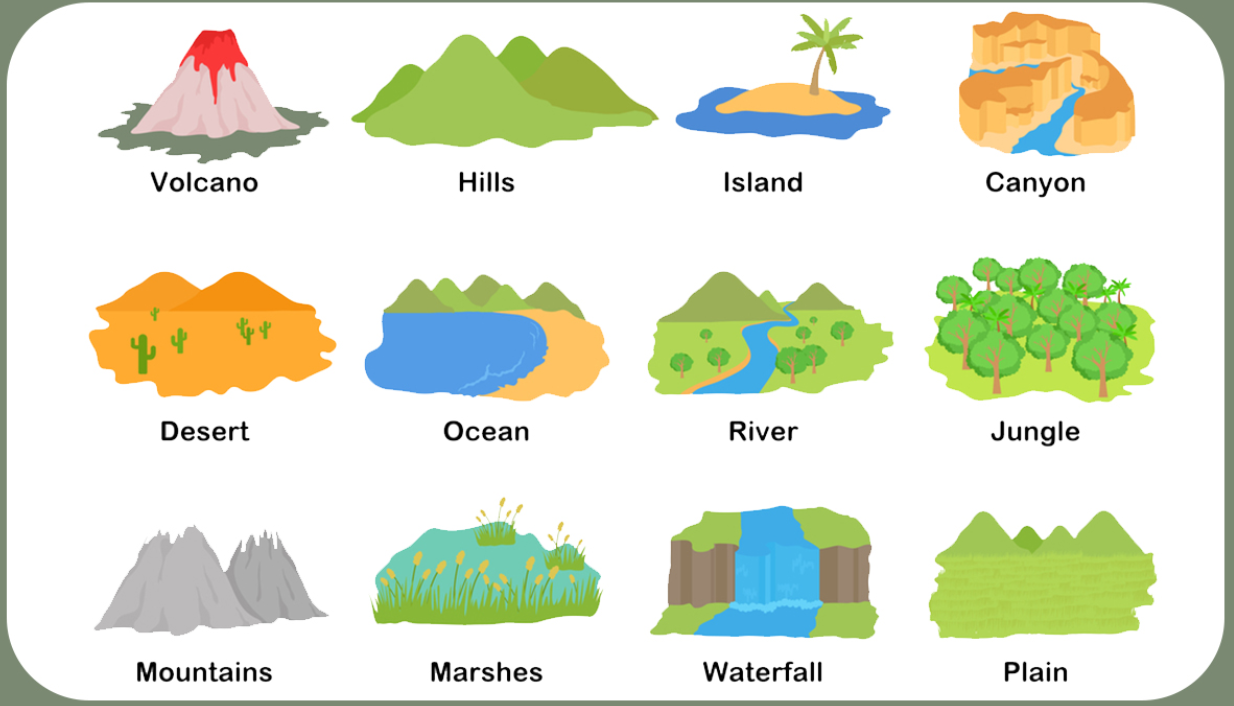
5. Discuss the weather, climate and geography of your country.
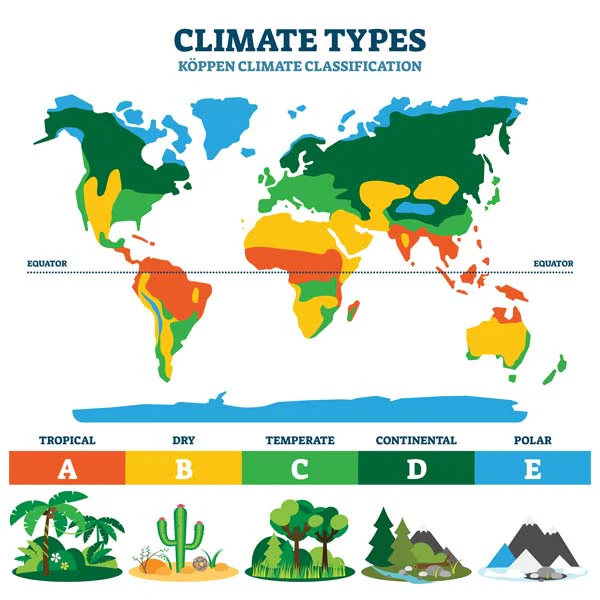
Think about the type of world your citizens will live in. Will your country have tropical rainforests, warm Mediterranean coasts, or mild temperate seasons? Perhaps you imagine freezing polar landscapes, dry deserts, or dramatic continental winters and summers. You could also include tundra, monsoon regions, savannas, highlands, wetlands, or coastal zones. Your climate will influence everything: food, culture, housing, travel, daily life, and even the personality of your nation. Choose a biome that matches the identity and lifestyle you want your country to have.
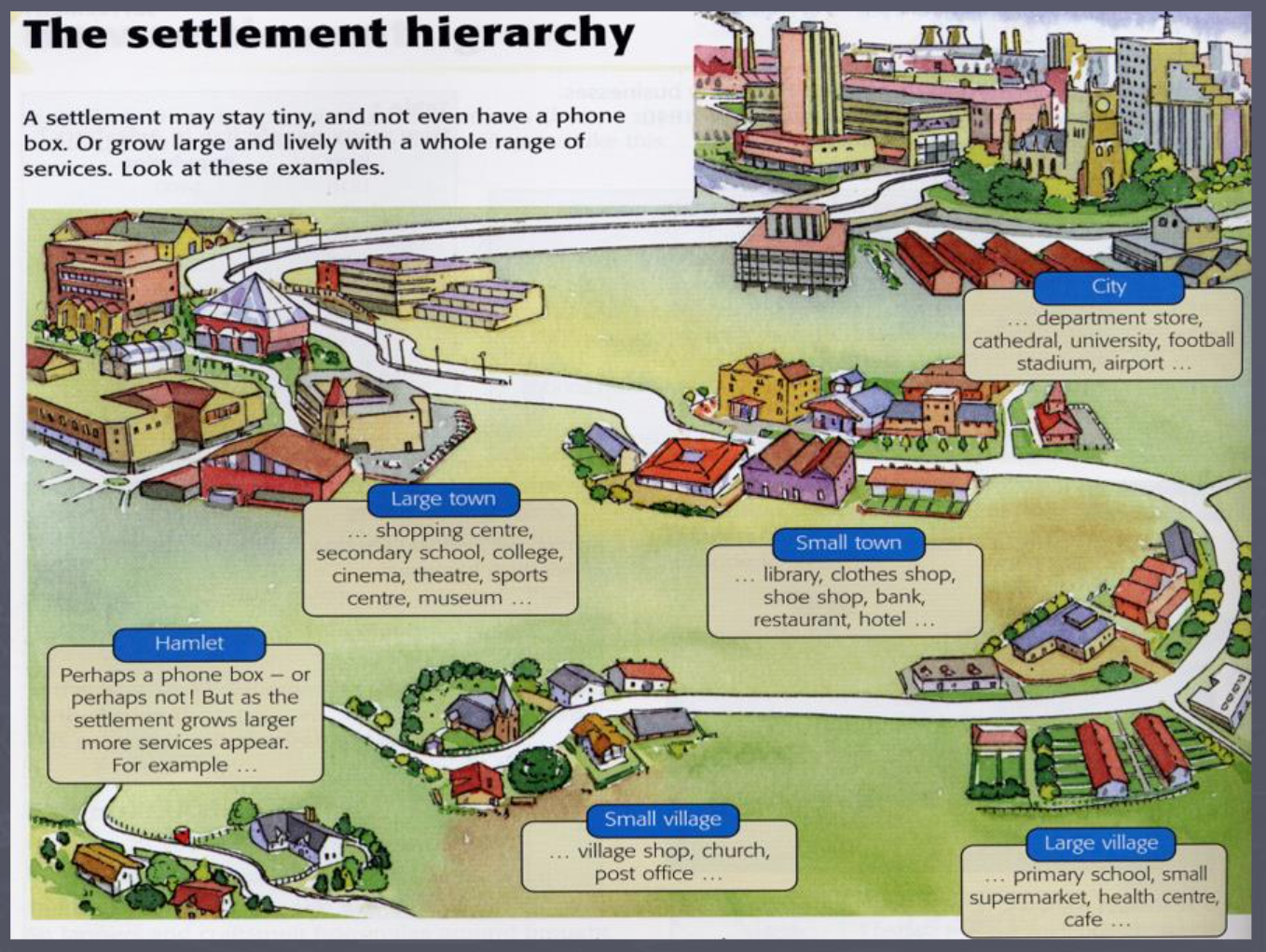
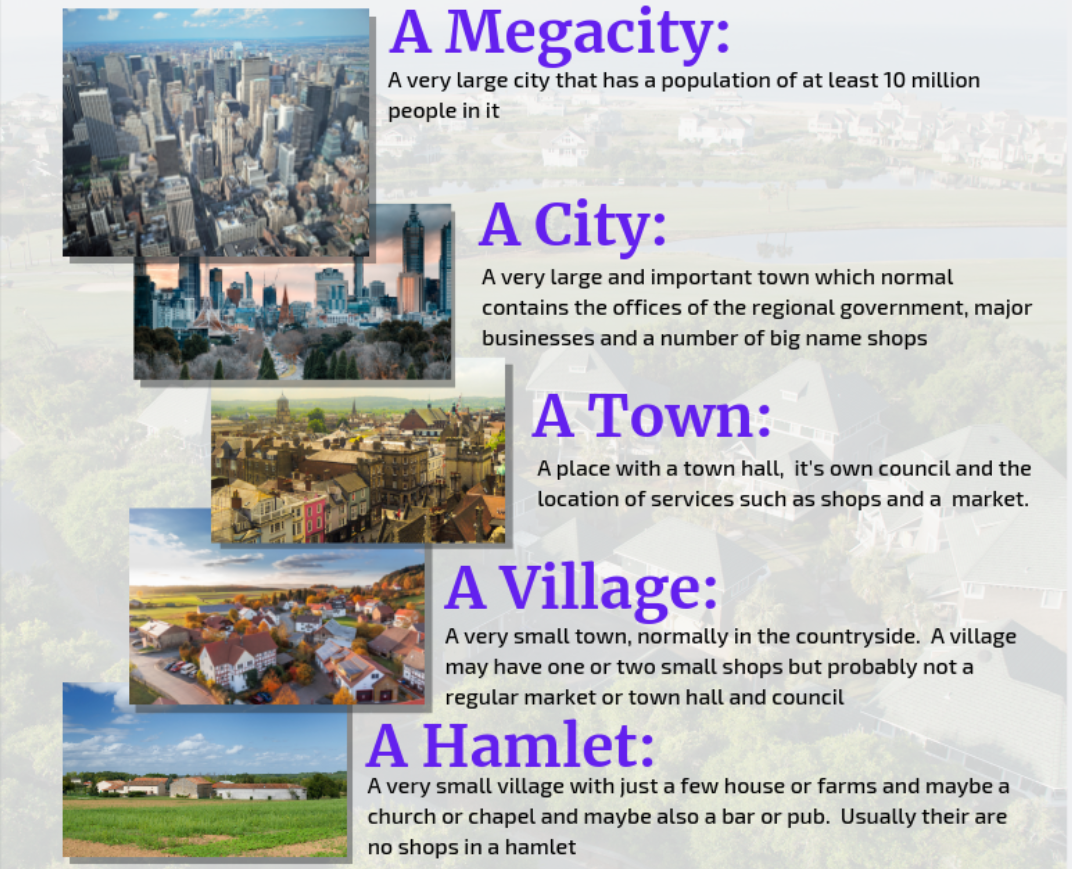
6. Discuss the types of settlements in your country:
7. What languages are spoken?
1. Single Official Language
One main language spoken nationwide (e.g. Japan, Poland).
2. Bilingual Country
Two official languages with equal status (e.g. Canada: English & French).
3. Multilingual Nation
Three or more official languages (e.g. Switzerland: German, French, Italian, Romansh).
4. Regional Languages
Different regions speak different languages, but one is official nationally (e.g. Spain: Spanish + Catalan, Basque, Galician).
5. Invented Language
Create your own national language (e.g. Esperanto-style or fully fictional).
8. What type of government will you choose?
A. Democracy
People vote for leaders; freedoms protected.
B. Constitutional Monarchy
A king/queen + elected government (e.g. UK).
C. Republic
President + elected parliament (e.g. France).
D. Direct Democracy
People vote on most decisions directly (e.g. Switzerland).
E. Technocracy
Experts and scientists make key decisions.
F. AI-Governed State
Artificial intelligence manages laws and resources.
G. Federal System
Regions have local power (e.g. Germany).
H. Dictatorship / Authoritarian Rule
One leader controls everything — efficient but risky.
I. Tribal or Council-Based Government
Elders or community councils make decisions.
J. Theocracy
Run by religious leaders or sacred texts.