
The Uncanny

The other day, I turned on ChatGPT’s voice mode for the first time in months, and I was shocked to hear how different it had become. It now has filler words and conversational noises, including "umms", pauses, breaths and even stutters. All to better mimic an emotional human conversation. It was uncanny!
I felt like Joaquin Phoenix in Her (2013). I should probably change the voice to a man to avoid complications.
In this issue, we'll be exploring the origins of the word uncanny, its meanings and links to folklore, psychology and the horror genre. As usual, there will be some idioms to be found throughout the text, plus a quiz and some writing prompts at the bottom.
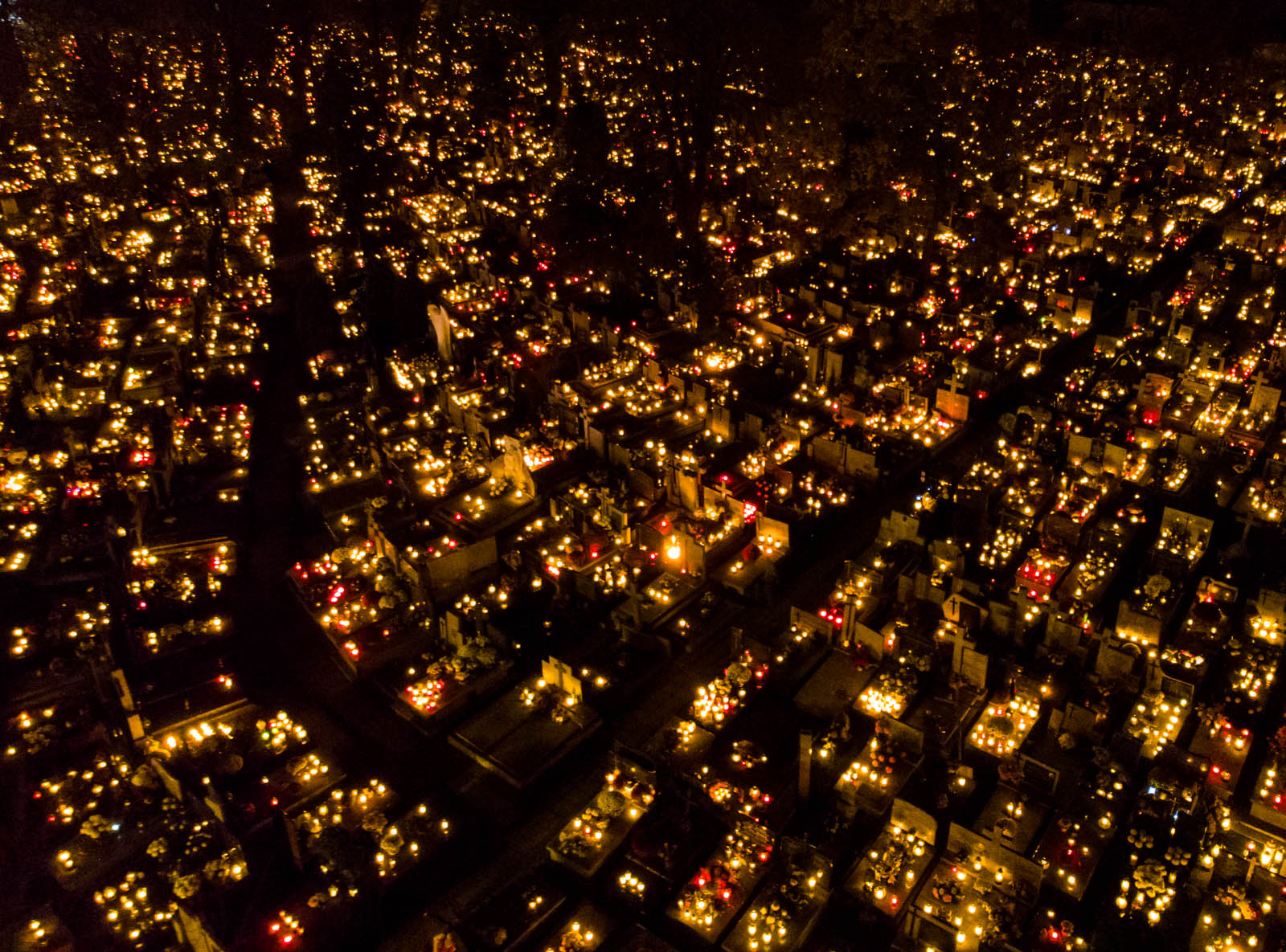
This seemed an appropriate topic, as we approach All Hallows' Eve and All Saints' Day. What you see below are not buildings. They're graves.
I believe the scariest stories are the ones that can actually happen to you. The following was published in Psychiatric Times in 2011.
Not so long ago, a 40-year-old woman called Mary became convinced that Sarah, her 9-year-old daughter, her own flesh and blood, had been replaced by an impostor. She believed that someone who looked, sounded and acted exactly like her had taken her place.
Mary would go to Sarah's school and refuse to take her home. She'd shout at the staff, demanding that they give her real daughter back.
Family members and doctors did their best to reassure her, but their words fell on deaf ears. She remained convinced that her daughter was not her daughter.
Due to this fixed false belief, Mary was considered unfit to parent and Sarah was placed in the care of social services. Her mother would visit, but refused to talk to her.
Sarah said, “I love my mother, except for when she doesn’t believe I’m me...”
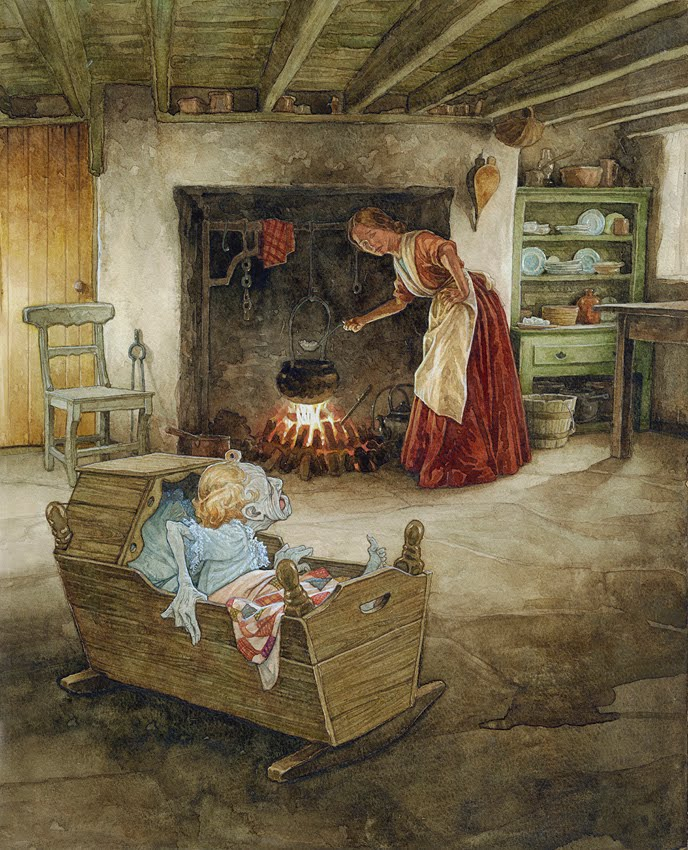
Can you imagine the person closest to you waking up one morning, looking at you and asking... "Who are you?" According to Irish folklore and French psychiatrist Joseph Capgras, it could.
Origin & Meaning
In everyday modern English, uncanny means so good it's hard to explain. People say "It's uncanny!" in the same way they'd say "It's unbelievable!" Let's say your colleague does an excellent impression of your boss. A very common response would be "Your impression is spot on. It's uncanny!"
When something is so accurate or familiar, it can be amazing, and it often leaves a lasting impression. To the everyday ear, it's almost like saying, "Wow! It's identical!"
However, the word carries its old meaning and complicated past. It's fascinated psychologists and the creators of the horror genre alike.
Depending on the situation, something familiar and accurate, yet not 100% the same, can also be deeply unsettling. Even if you can’t put your finger on why.
I'm sure if you heard Mary use the word to describe her daughter, the associations would be far from positive.
It comes from the Old English word cunnan, meaning “to know”. It was used before 1150 and later became canny: clever, skilful, sensible, shrewd, or safe.
Then "un" was added, which means not.
Uncanny
1590s : Initially meant mischievous or malicious.
1600s : Developed associations with carelessness, unreliability, and poor judgement.
1700s : Acquired associations with danger, mystery, and supernatural powers.
1800s : Came to mean eerie, weird, ghostly, or inexplicable.
Modern English : Something strange, unsettling, or so accurate it seems almost supernatural.
Strange resemblance: when two people or things look so alike that it feels unnatural.
“She looks just like her grandmohter. It's uncanny!”
Remarkable ability: when someone’s skill or intuition is so accurate it seems almost supernatural.
“He has an uncanny ability to pick a winner.”
Strange coincidence: when something happens at such a perfect moment that it’s hard to explain.
“It was uncanny. We both started singing the same song at exactly the same moment.”
Eerie atmosphere: when a place, sound or feeling is strange and slightly frightening, without an obvious reason.
“There was an uncanny silence in the empty house.”
German has its own word for the feeling: unheimlich. Heim means home, so heimlich means homely and familiar, but also private and hidden, the way things kept inside a house are hidden from the outside world. Unheimlich, then, is something close to home that was hidden and has come back into view, like a doll or a mannequin that looks almost, but not quite, human.
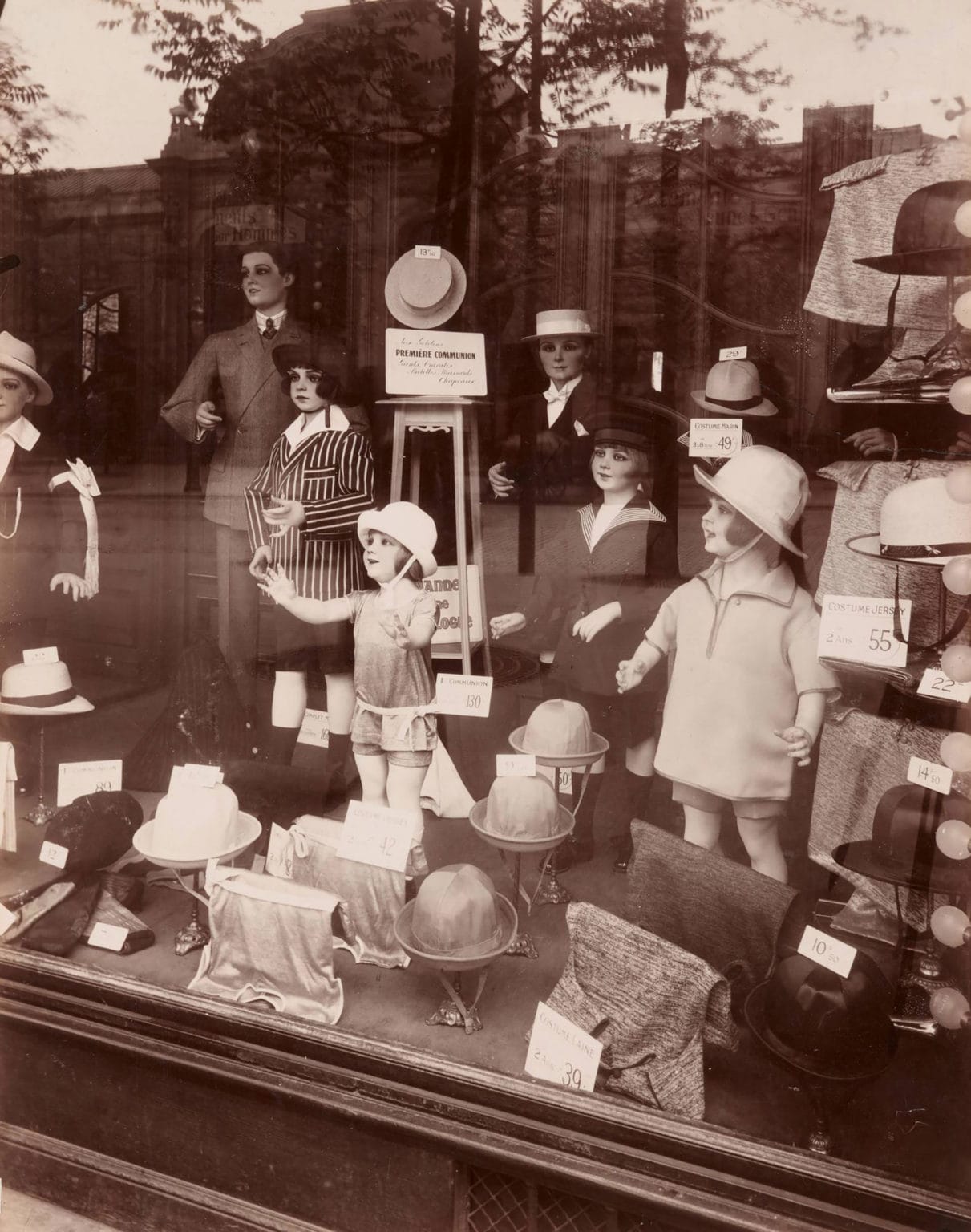
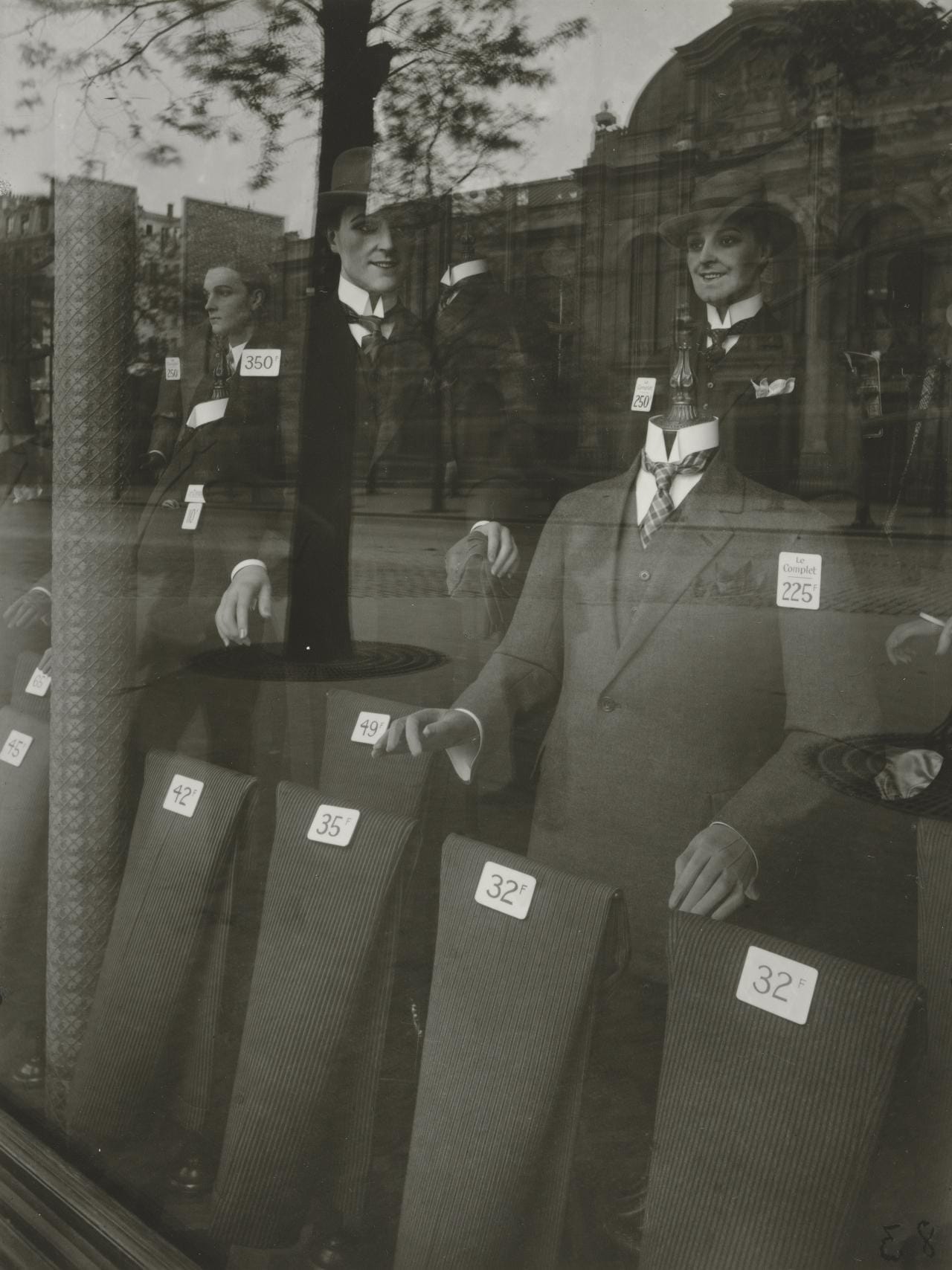
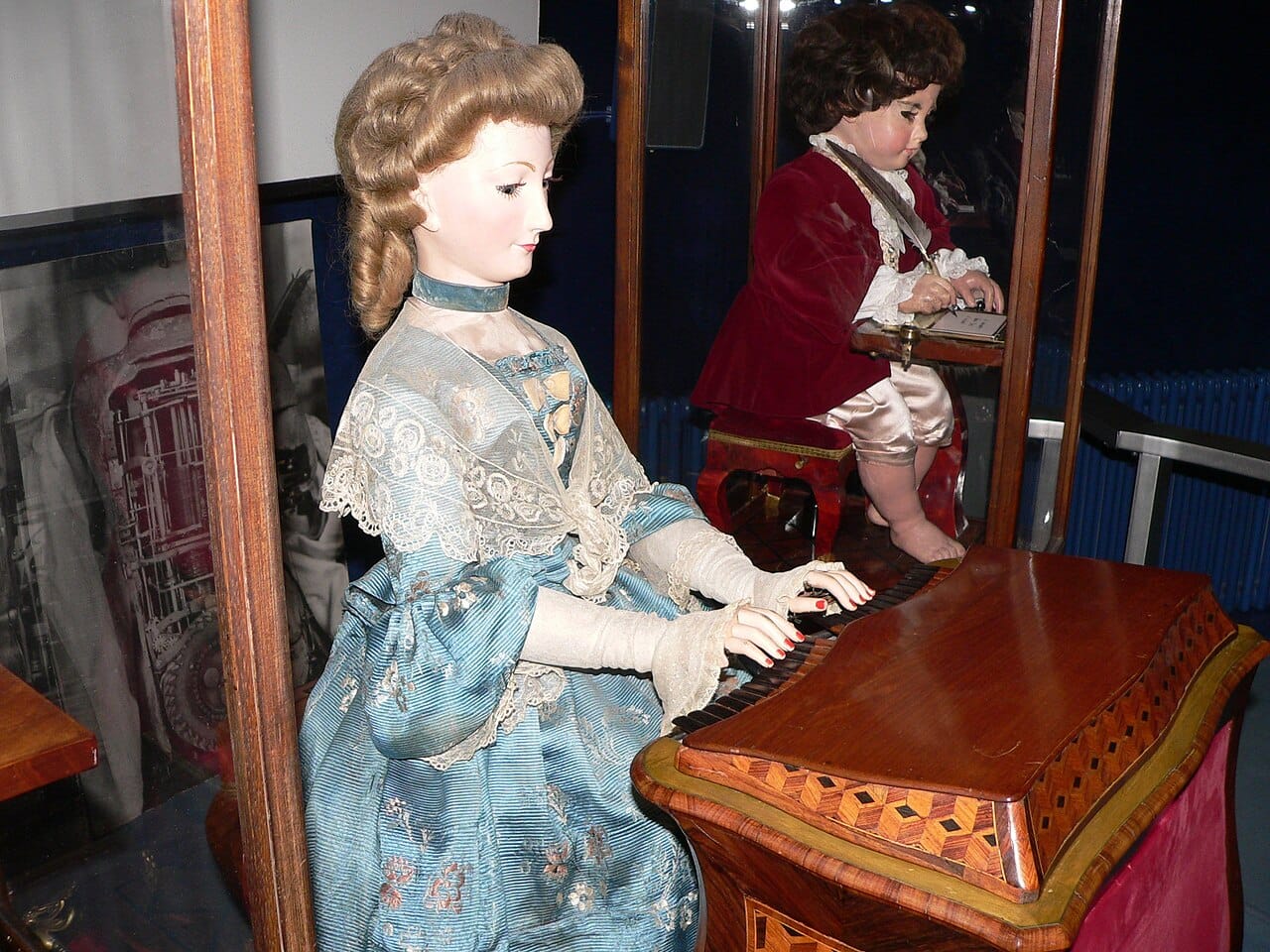
Eugène Atget’s shop-window mannequin photographs (Paris, 1920s) The Jaquet-Droz automata (1768–1774). Mechanical dolls that write, draw and play music. The musician’s chest even rises and falls, as if she were breathing.
Das Unheimliche
In 1919, Sigmund Freud took this word as the title of his famous essay, Das Unheimliche (“The Uncanny”), and tried to explain why such ordinary things can frighten us.
Sigmund Freud - The "Uncanny" (1919)
The Double
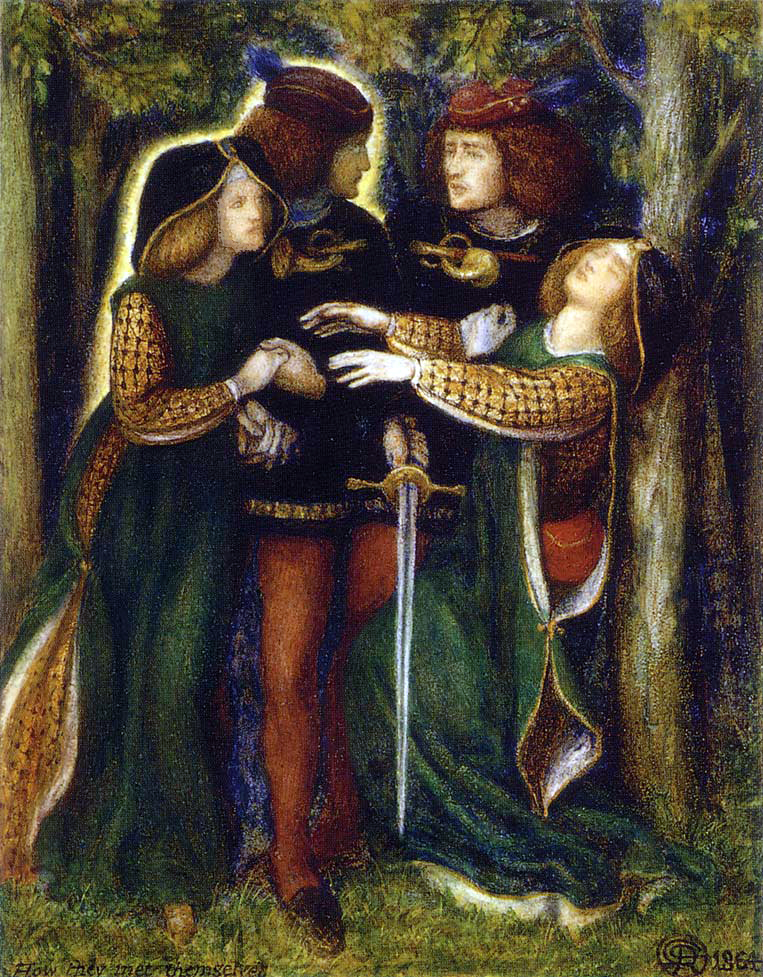
What would you do if you met yourself in a forest?
In folklore, seeing your doppelgänger was a sign that your days were numbered. The man on the right looks as if he's seen a ghost. The woman on the left has fainted from shock.
According to Gothic scholar Xavier Aldana Reyes, the double is our shadow self, everything a polite, civilised person is supposed to keep hidden: selfish, violent, unrestrained. Freud thought that the double began as a comfort, the soul that would survive us, but over time it flipped, and became a sign that death was near. Perhaps that’s why meeting yourself in a forest feels less like a miracle and more like a warning.
Repetition
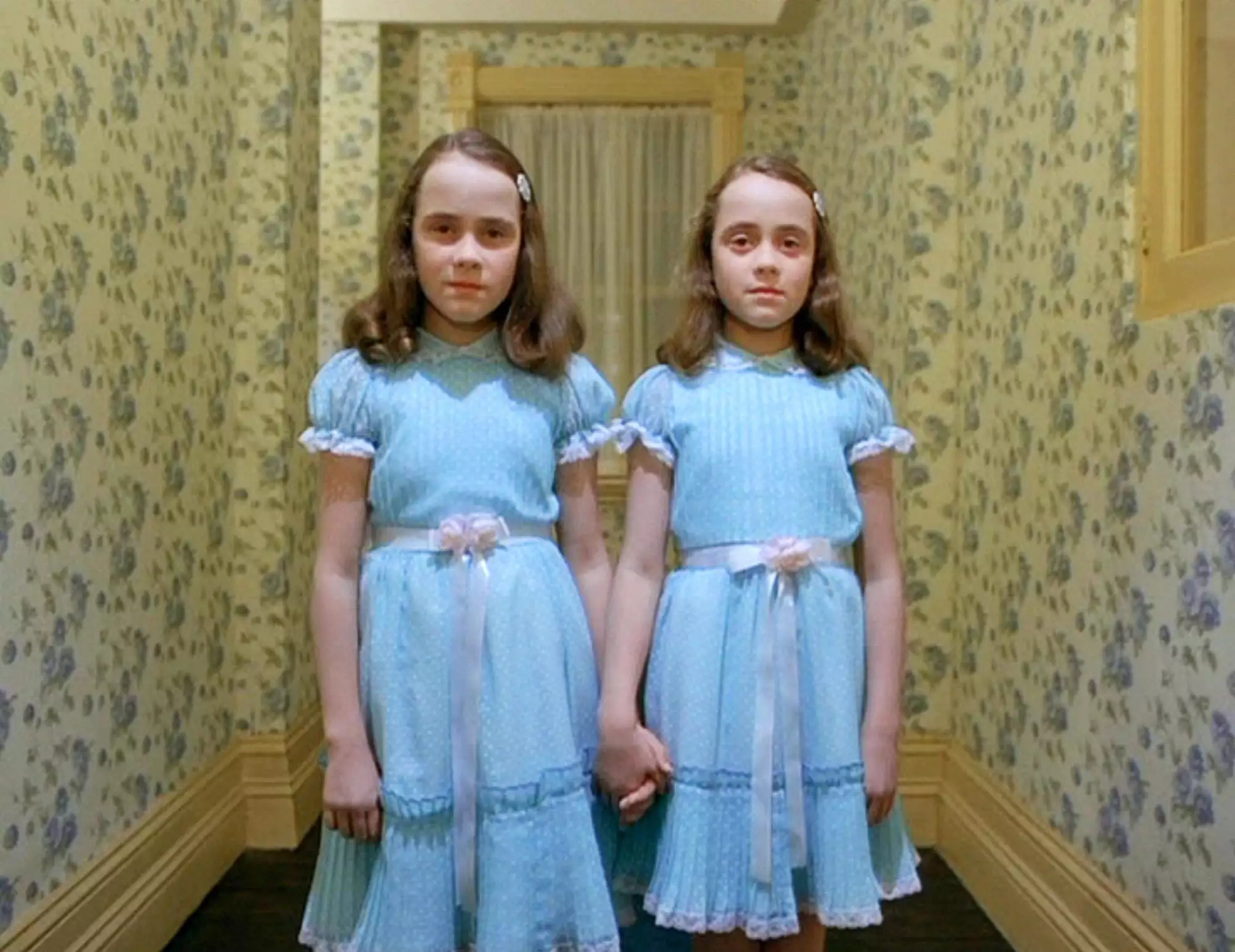
Freud also noticed that the uncanny can come from simple repetition, the same thing appearing again and again. It’s why identical twins, who share exactly the same DNA, have fascinated and unnerved storytellers for centuries. Reyes points out that we expect each person to be unique, so when we see that uniqueness copied, something feels wrong.
The Uncanny Valley
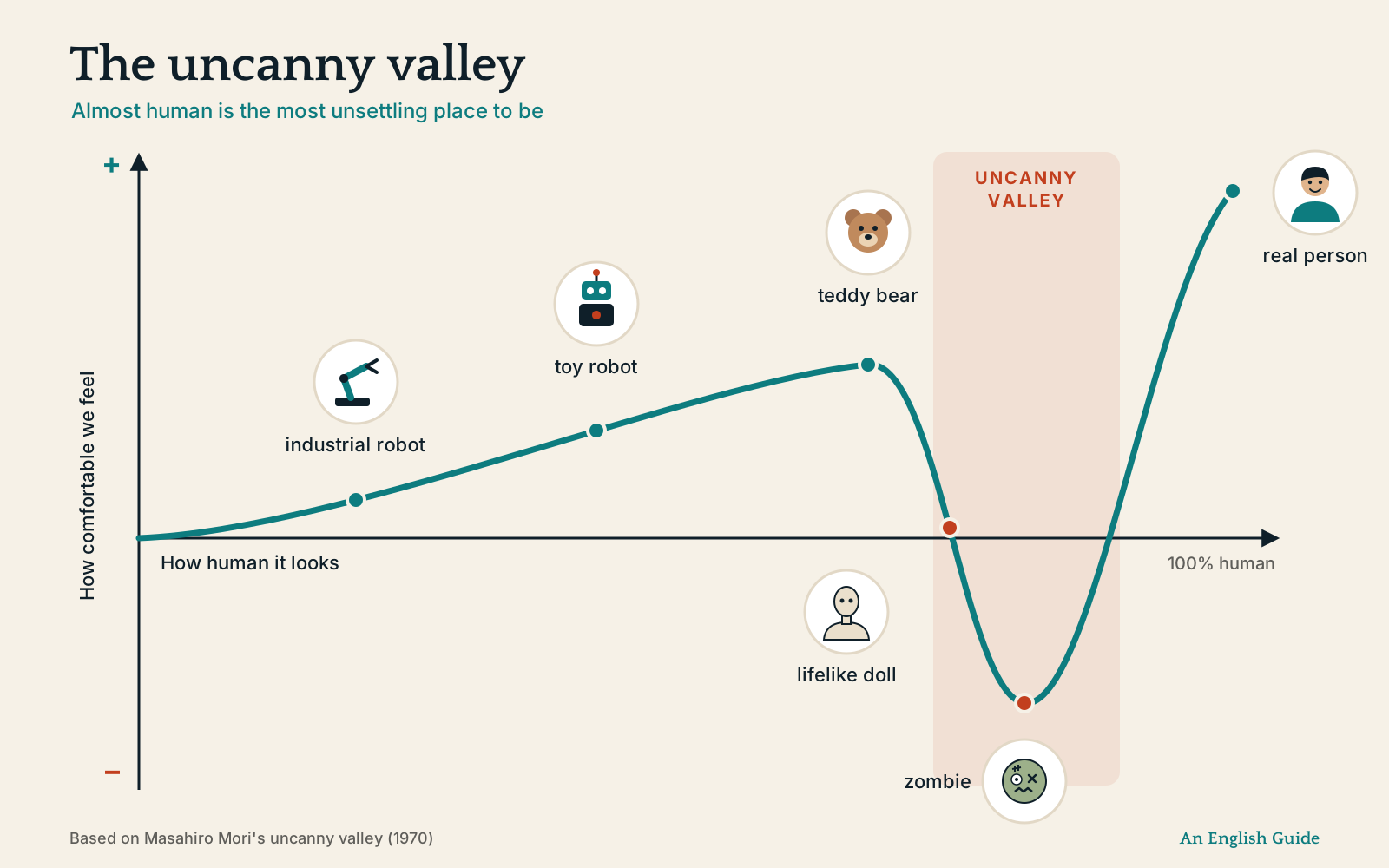
In 1970, Japanese roboticist Masahiro Mori gave this feeling a modern name. He noticed that the more human a robot looks, the more we like it, but only up to a point. When something looks almost human, but not quite, our comfort suddenly drops into a deep unease. On his graph, this drop looks like a valley, so he called it the uncanny valley.
A robot that looks like a robot is fine. A real person is fine. But skin that’s slightly too smooth, eyes that don’t quite focus, or a smile that arrives a moment too late, and we instinctively pull away. Today, we feel it with lifelike dolls, CGI faces and, more and more, AI-generated people who look almost real.
We started with a story of a mother who thought her daughter had been replaced by an impostor. Then we discussed how uncanny can mean both weirdly accurate and eerie, before exploring how the uncanny can appear in doubles, dolls and doppelgängers.
To finish, here's one more example to tie this all together. And if you haven't seen the film Get Out (2017), I recommend skipping to the quiz at the bottom of the page to avoid spoilers.
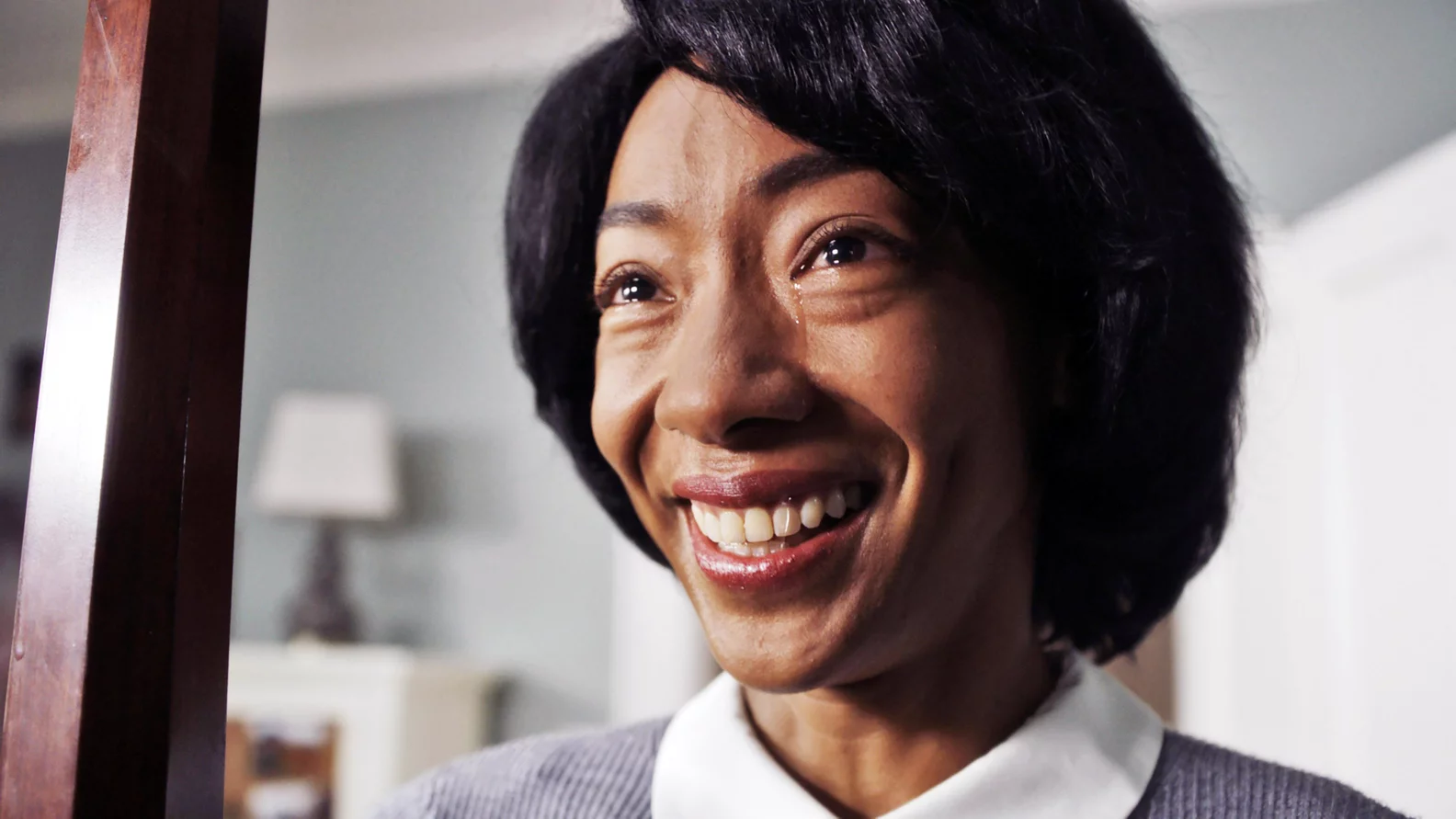
In the film, why was Georgina's face so deeply unsettling? Because humans find the uncanny deeply unsettling. There is something wrong with things appearing human that are mechanical beneath the surface. When I spoke to ChatGPT, I felt uneasy, but if I heard that voice coming out of a human lookalike, it would make my skin crawl.
Georgina's behaviour wasn't human. She smiled, yet tears of despair leaked out from her eyes. What we saw was a shell of a human, with mechanical operations and deep within, a consciousness that was screaming to get out.
Get Out brings together almost everything in this issue:
- Mary and Sarah: Mary believed someone else was living behind her daughter’s face, while the real Sarah was still there, waiting to be recognised. In Get Out, it’s true: someone else is living behind Georgina’s face, and the real Georgina is still inside, unseen.
- The Double as Insurance Against Death: Freud said the double began as a way to survive death. That’s exactly the family’s plan: older people living on inside younger bodies.
- The Shadow Self: the Armitages are polite, civilised and welcoming on the surface, with something selfish and violent hidden underneath.
- Unheimlich: the family home looks warm and welcoming, but it’s hiding a terrible secret. A home that becomes unhomely.
- Cunnan, “to know”: the uncanny is the moment we realise we don’t really know someone we thought we knew.
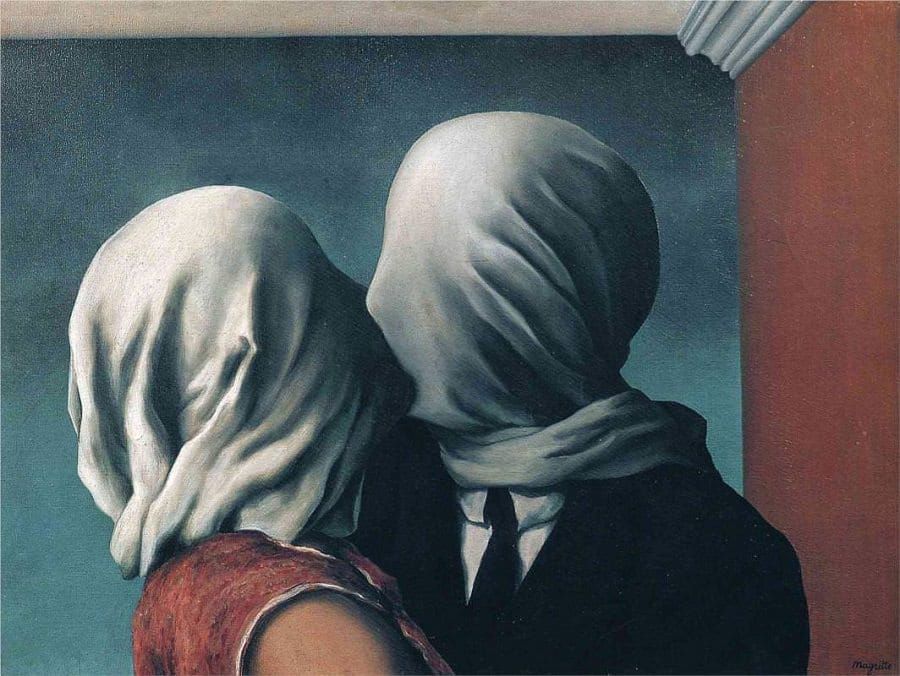
- Magritte’s The Lovers: The featured image of this issue asks whether we can ever truly know the person closest to us. Chris learns that he didn’t know his girlfriend at all.
Words and quiz
The words
The quiz
A C1 challenge. Every answer has a near miss, so read each option carefully. Only your first answer counts towards your score, but afterwards you can click any of the other options to see what it means. Stuck? The words tab explains the idioms and words from the issue.
Values
This one is about identity: who someone really is, and whether others can see it.
Trust
Believing that people are who they seem to be. We rely on faces and voices to tell us who someone is, and the uncanny is the moment that stops working.
Compassion
Caring about people who are suffering. Sarah and her mother both deserve it, and so did the sick children the changeling legend was used to harm.
Authenticity
Being who you really are, rather than a mask or a copy. Even an AI voice can sound human, but that doesn’t make it real.
Self-acceptance
Making peace with every part of yourself. Freud saw his own reflection and “thoroughly disliked his appearance”.
Accuracy
Getting things right, and seeing people as they really are. Uncanny accuracy can amaze us, but being almost right can feel more unsettling than being clearly wrong.
Which of these would you find hardest to live without?
Writing task
Choose whatever speaks to you. You don’t have to answer everything, and there’s no word limit.
- What type of stories scare you the most?
- Have you ever had an uncanny experience, such as a strange coincidence or a moment of déjà vu? What happened?
- Gothic writers imagined the double as our “shadow self”: the selfish, unrestrained side that a polite person tries to hide. Do you believe we all have a lighter and a darker side?
- Why do things that look almost human make us uneasy? Is this fear useful? Should robots look like robots, or exactly like us?
- In the age of AI, what does it mean to be human?
- Open prompt: Write about a time when you were scared.
Themes in literature
Three big ideas from this week that writers and filmmakers keep returning to.
The double
A second self who looks like you but isn’t you. In Dr Jekyll and Mr Hyde (1886), a respectable doctor releases his darker side, and in The Picture of Dorian Gray (1890), a portrait ages and changes while its owner stays young.
Humans and machines
What happens when we create something almost like us. From Frankenstein (1818) to the films Her (2013) and Ex Machina (2014), the question is the same: where does a person end and a copy begin?
The home that turns against you
The familiar made strange. In The Turn of the Screw (1898) and The Haunting of Hill House (1959), the house itself becomes the thing to fear.
Can you think of a book or film that explores one of these themes?
Grammar to borrow
Three structures from the text to try in your own writing.
The more…, the more…
For saying that two things change together.
“The more human a robot looks, the more we like it.”
The more I read about it, the less I understood.
Try it: write two sentences about learning English using the more…, the more…
Would for past habits
For actions that happened again and again in the past. It sounds more like storytelling than used to.
“Mary would go to Sarah’s school and refuse to take her home.”
Her mother would visit, but refused to talk to her.
Try it: describe something you would always do as a child.
The second conditional
For imagining situations that aren’t real, or are very unlikely.
“What would you do if you met yourself in a forest?”
If I heard that voice from a human lookalike, I’d run.
Try it: answer the forest question in three sentences.