What does it mean to see the light? Plato's Cave #1

An allegory is a story, poem, picture or work of art that operates on two levels: the story being told and its symbolic meaning.
There are three main types of allegory: classical, religious and political.
An example of a political allegory is The Hunger Games, which critiques several real-world systems:
- Capitalism and Consumerism
- Media and Reality Television
- Authoritarianism and Propaganda
- The Cost of War
An example of a religious allegory is Narnia.
However, C.S. Lewis, the author, denied that the book is a religious allegory, but he did say that Aslan could be the answer to the imaginary question (spoiler-alert): What might Christ become in a magical world like Narnia, where animals could talk and He chose to die and rise again?
How many times do we see the hero of a story sacrifice himself? Quite a lot.
Though it's not only characters which can be allegorical, objects can be too. The ring in Lord of the Rings represents sin, temptation and moral corruption. Right? The coloured pills in The Matrix represent something even more abstract. I suppose, it's more of a life choice.
Do you want to know the truth or not?

The Allegory of the Cave
Plato's Cave is perhaps the most famous example of a classical allegory, written around 375 BC.
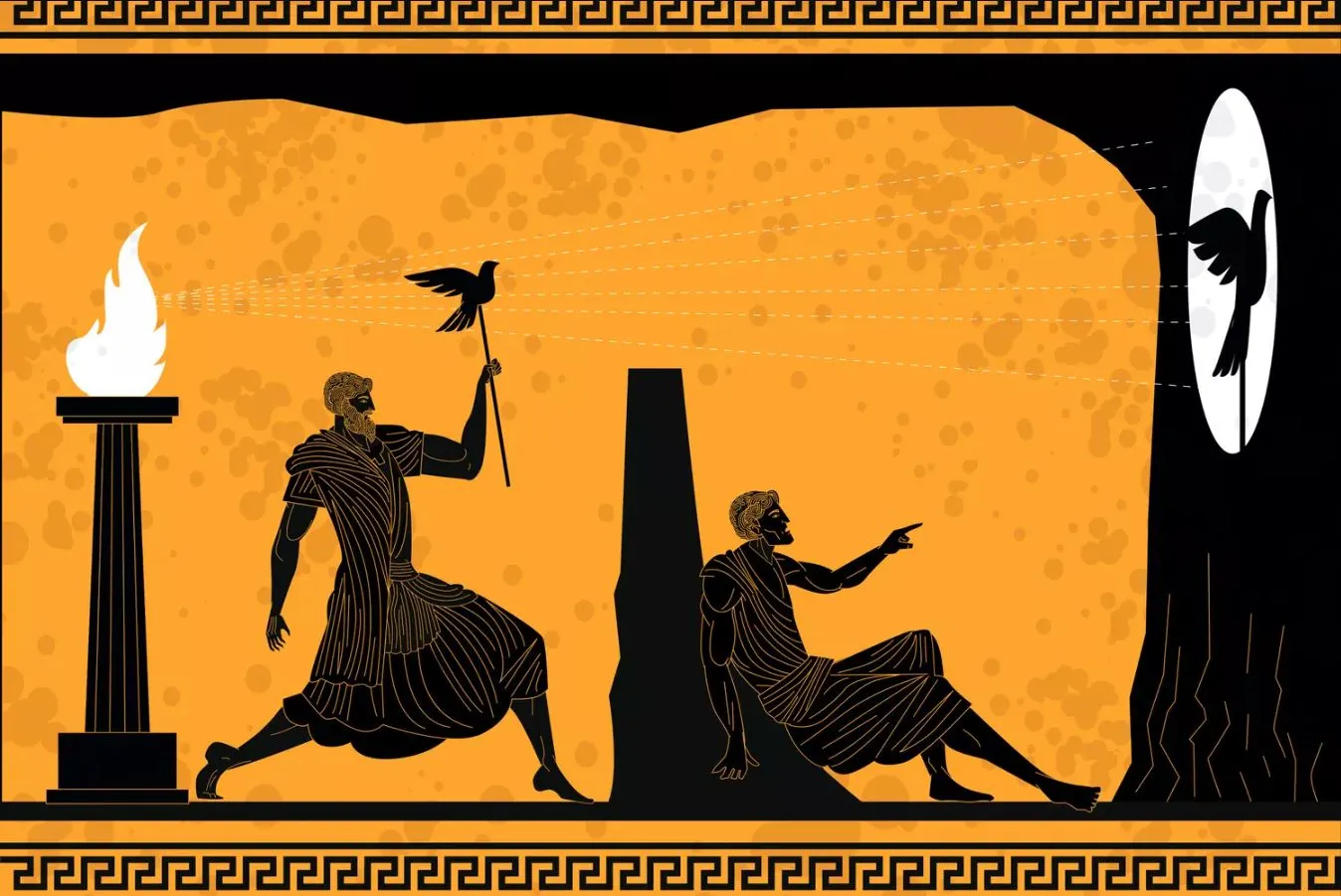
He asks us to imagine a group of prisoners living underground. They have lived there since they were born and are chained up by their ankles and necks, unable to move or turn their heads.
All they can see and have seen are moving shadows on a wall, cast by firelight and hidden puppeteers behind them. These shadows are all that they know. Their whole existence and understanding of the world is based upon them. The prisoners would talk about the shadows, name them, argue over them. If they saw a shadow of a bird, to them that's a real bird.
This is an allegory, so everything represents something else.
Who do you think the prisoners are supposed to represent?
What about the puppeteers?
And what of the shadows on the wall?
(We'll come back to these questions at the end.)
Let's imagine two scenarios.
Scenario 1
One day, a prisoner escapes. He finds a way to loosen his chains (perhaps he has strong teeth...?) Step by step, he climbs up and out of the cave.
The sunlight is so bright that it hurts his eyes, but slowly, his eyes adjust and he sees grass, trees, a river and the sun.
He thinks, "Wow, look what I've discovered, I'm so lucky. I have seen the light!"
Scenario 2
One day, someone comes along and unchains a prisoner, then drags him out of the cave. He doesn't want to go and the sunlight hurts his eyes. He misses the shadows and the safety of the cave.
He's frightened, confused, angry and he can't see anything.
"I was perfectly happy in the cave, why have you taken me away from everything I know?" he asks.
In these scenarios, both prisoners leave the cave, both feel the sun burn their eyes and both end up in the same place. Why does one feel lucky and the other feel robbed?
The difference is how they got there. The first prisoner chose to leave. The second was made to. His freedom was taken away, or at least that’s how it felt to him.
And psychology tells us that people don’t like that very much.
Choice
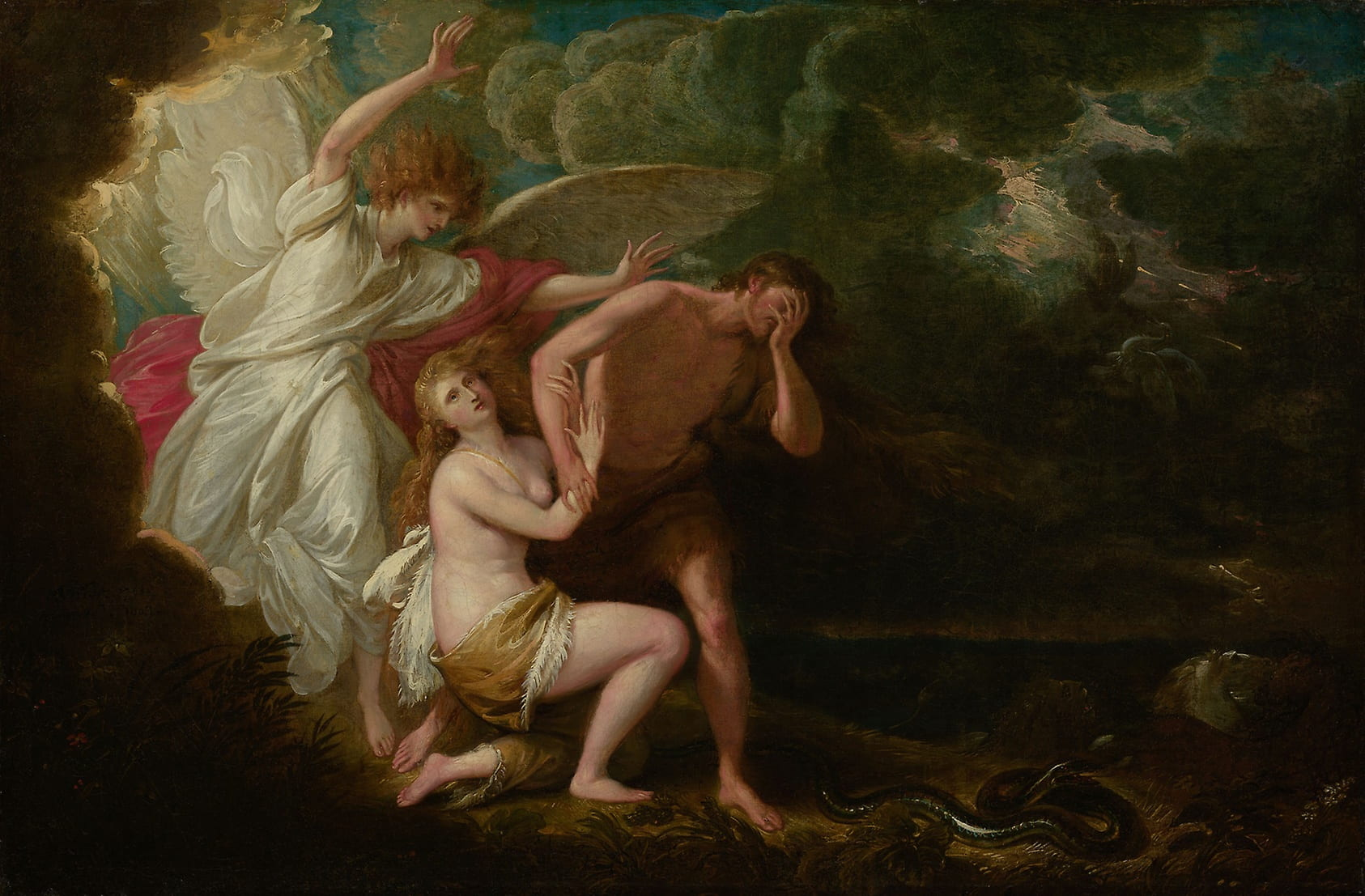
In 1969, an engineer called Chauncey Starr found that choice changes everything. People are willing to accept roughly 1000 times more danger when they choose the activity themselves (like skiing or driving) compared to risks forced upon them (like air pollution).
The first prisoner chose the pain of the sunlight, so he could accept it.
Freedom
In 1966, Jack Brehm argued in his book, A Theory of Psychological Reactance, that people instinctively fight back when their personal freedom feels threatened.
Decades of research have since supported his idea. When we feel a choice is being taken away, we often feel an urge to take back control, even when the option being forced on us is safe, helpful or healthy. And the more someone orders us around, the stronger that urge tends to be.
This is the second prisoner. The outside world may be better for him, but being dragged there makes him fight it.
Control
In 1977, Judith Rodin and Ellen Langer found that gaining personal control can significantly improve psychological well-being and physical health.
They went to a nursing home and divided the residents into two groups. In the first, residents could choose which night to watch a film and how to arrange their rooms, and each was given a houseplant to water.
In the second, they were told that the staff would make all of their choices and water their plant for them.
After three weeks, the group who were given control were more alert, active and involved. After 18 months, they showed sustained psychological and physical health benefits. And most notably, more of them were alive.
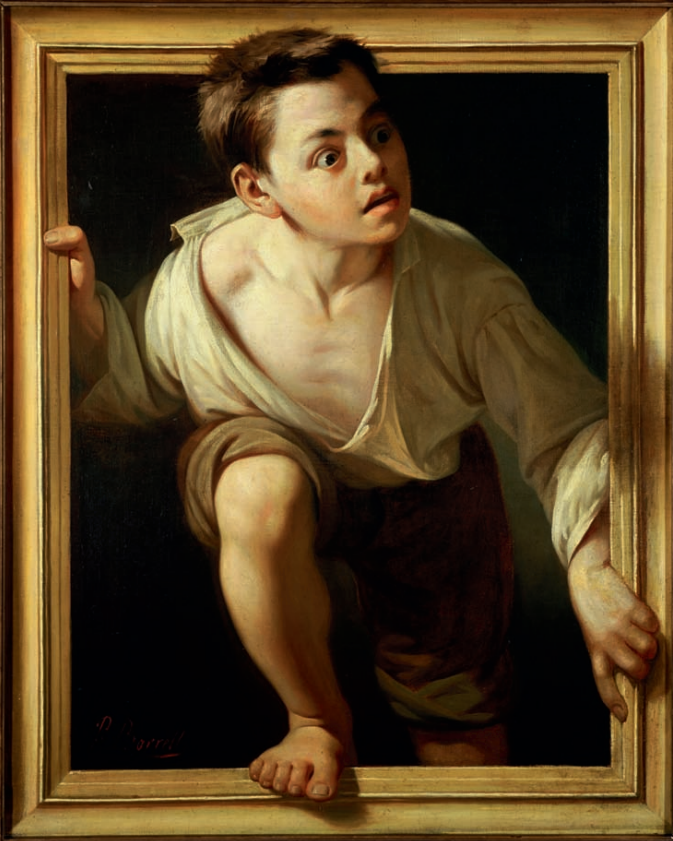
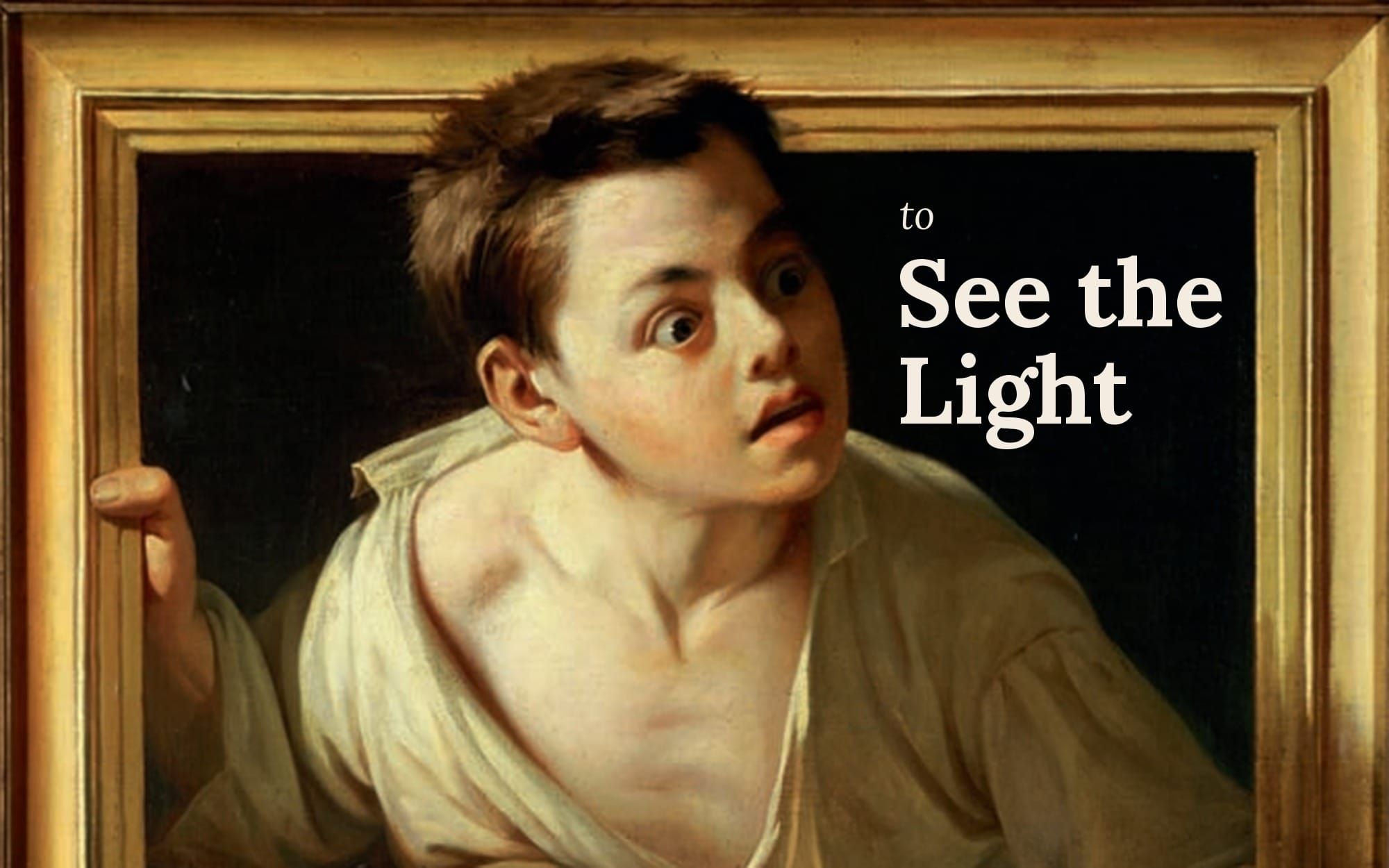
This week's idiom is to see the light. It means to suddenly understand something you did not understand before, or to change your attitude or opinion after a period of confusion or skepticism.
"Finally, he has seen the light."
- To see the light of day: To be born, come into existence, or be made public for the first time (such as a book or a project finally being released).
"We have to make sure that this evidence never sees the light of day."
- To see light at the end of the tunnel: To notice signs of improvement or the approaching end of a long, difficult situation.
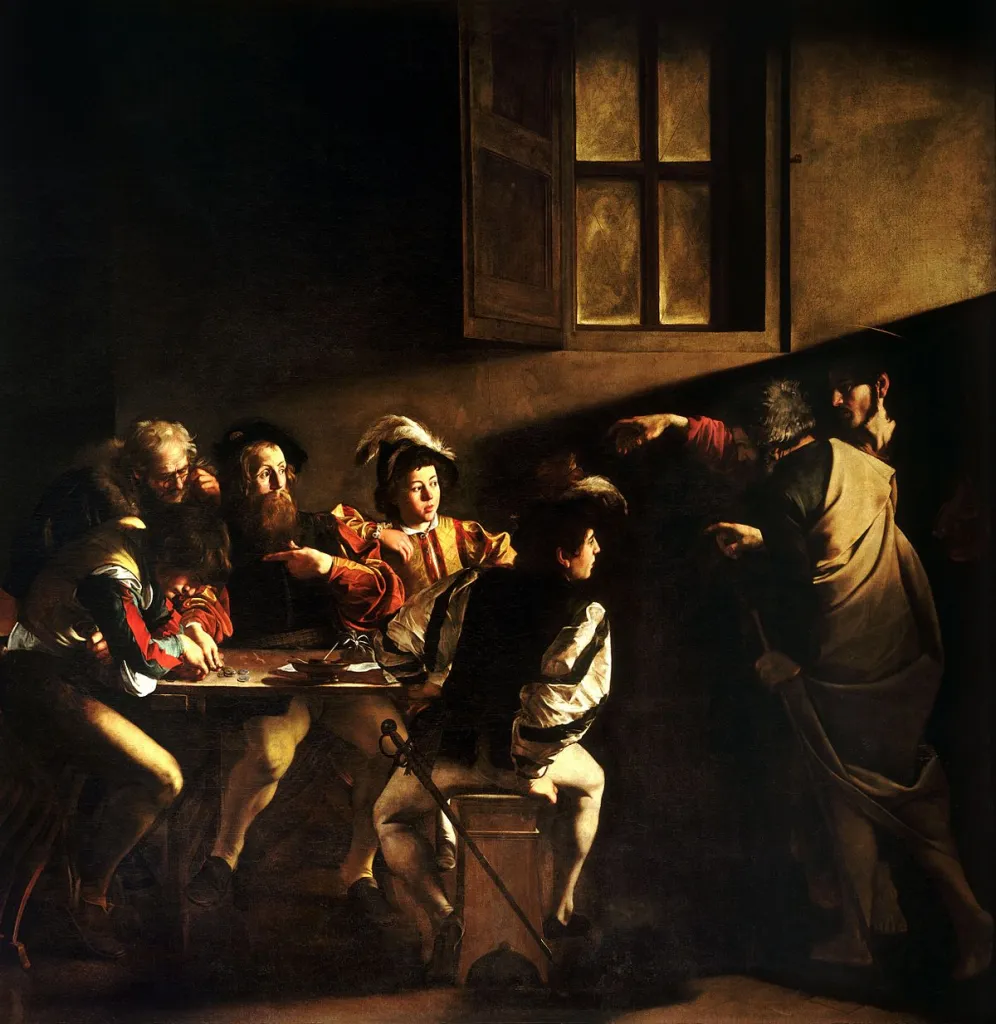
The meaning of light has changed over time
The idiom originates from religious metaphors, where it represents divine revelation and spiritual conversion. Above, Jesus arrives at an office and says to a despised tax collector, "Follow me", and he becomes an apostle. The light comes from above Jesus and follows his hand. Or does Jesus' hand follow the light?
The painter, Caravaggio (1571 - 1610), was known for his dramatic use of light. He often cast his subjects in sharp spotlights, emerging from highly contrasted dark shadows to create emotional and theatrical tension. His use of light inspired many, including Joseph Wright of Derby (1734 - 1797), famous for his dramatic scenes and dark shadows from hidden sources of light. The difference between the two was that Wright of Derby shed light not on religious revelation, but on the Age of Enlightenment (18th Century) and intellectualisation.
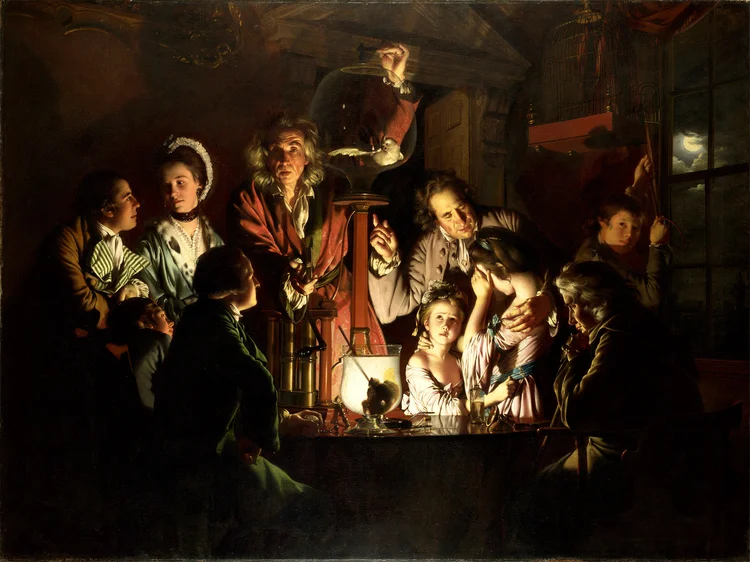
In 18th-century Britain at the dawn of the Industrial Revolution, travelling scientists would show off their machines and inventions to wealthy families and local professionals. We began to associate the concept of "light" with reason and understanding.
In the demonstration above, a travelling natural philosopher dressed in a red robe creates a vacuum by pumping air out of a glass globe with a white cockatoo inside. As the air is removed, the bird suffocates and collapses. Will the bird live? Around the table, we see curious, fearful and completely distracted faces.
We could argue that the light on the table represents the Enlightenment (the Age of Reason), a major movement in Europe which represented science, logic and observation over superstition and blind tradition. The light in this painting brings knowledge into darkness.
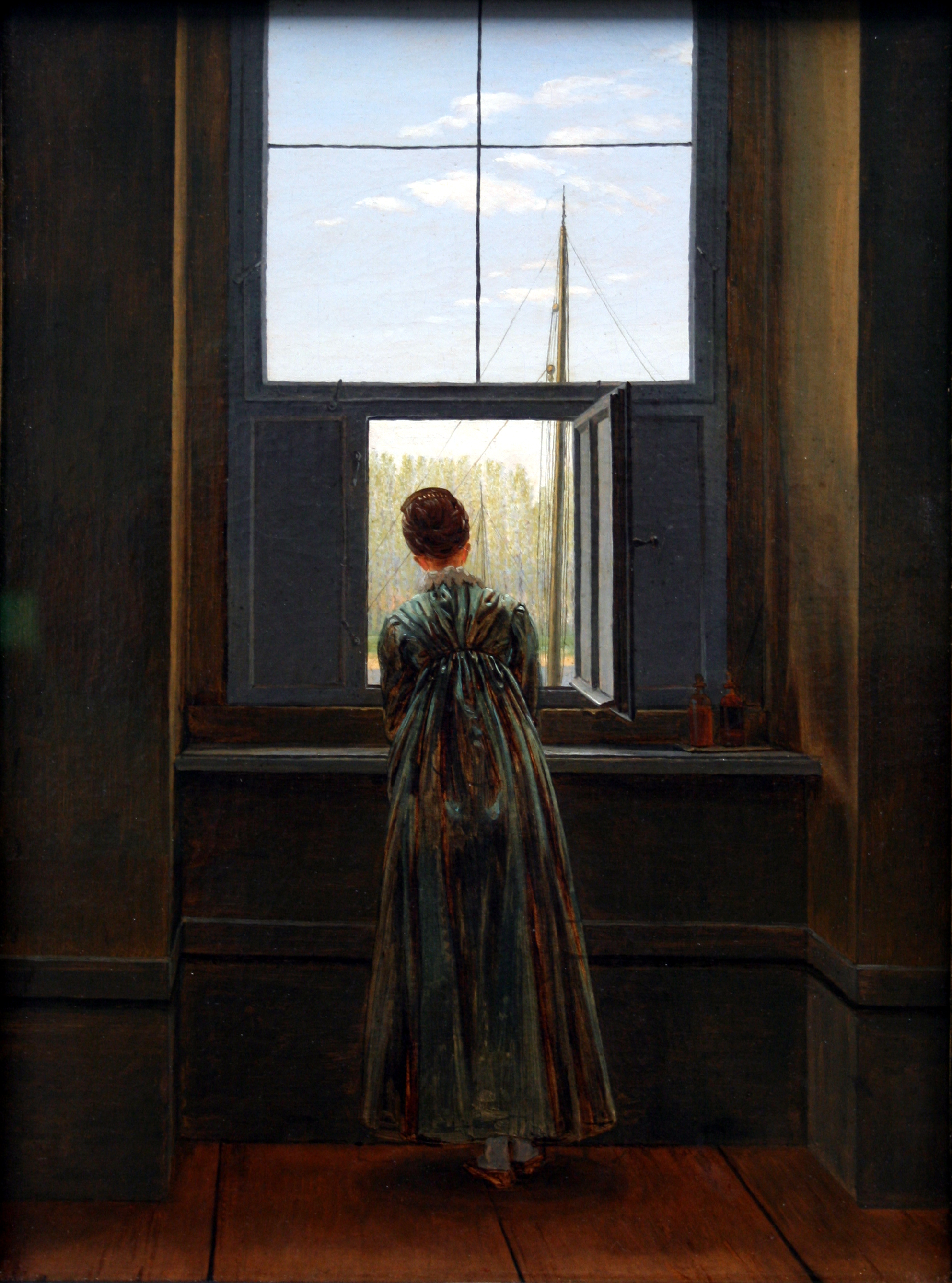
The Romantic painter Caspar David Friedrich shows a woman with her back to us, looking out of the window in a private moment. It's often read as a picture of reflection, longing and the inner life, which is precisely where our modern association of light lies: personal realisation.
Religion gave us light from God, the Enlightenment gave us light from reason and in the modern era, light comes from within. Today "see the light" usually refers to the moment someone realises something about their life, changes their mindset or finally understands what they need.
"I've seen the light! I know exactly what we need to do next."
Although it's also often used sarcastically about daily life:
"We've finally seen the light and decided to buy an air fryer."
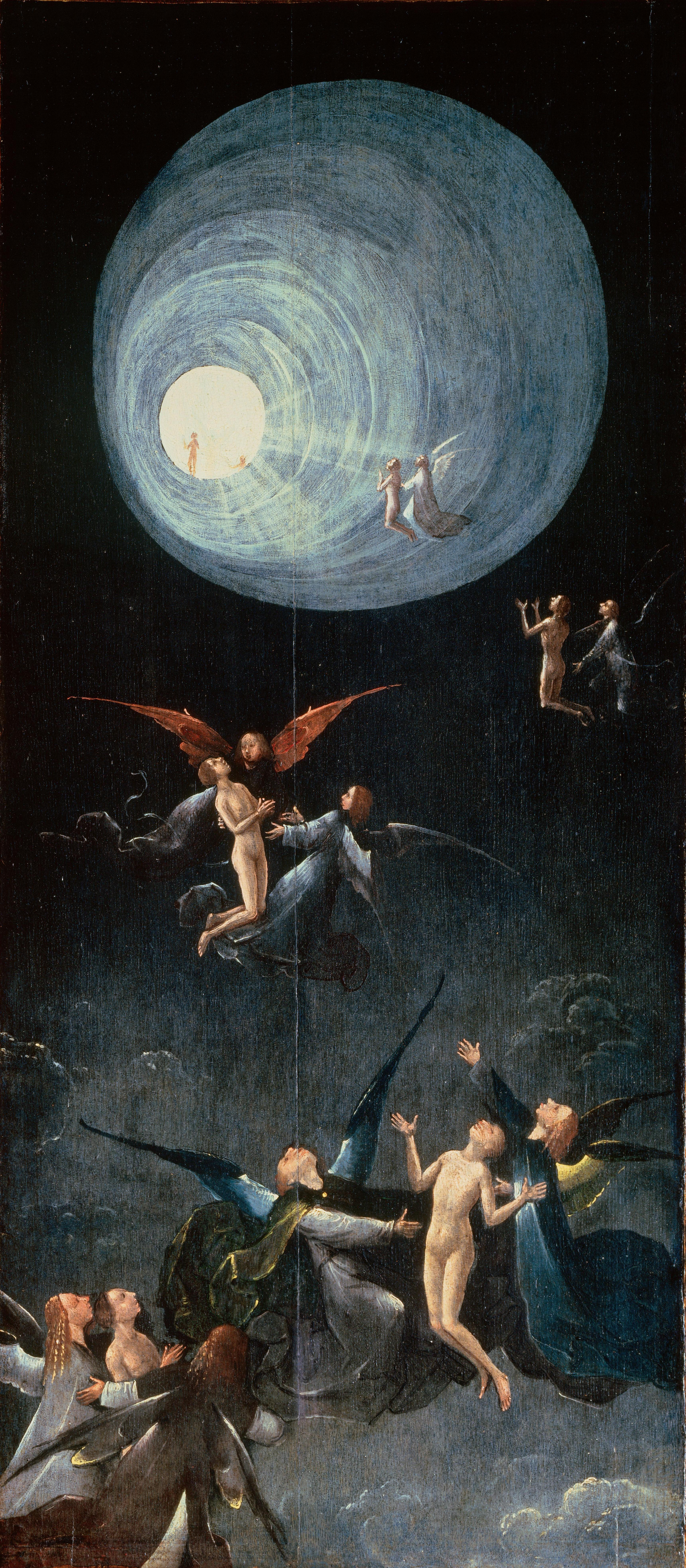
There are many films which demonstrate the expression to see the light, such as The Matrix, Groundhog Day and The Truman Show.
Spoiler alert: if you haven’t seen The Truman Show, you may want to before reading on, because I'm going to use it below to recap this article. And next week, I'll use the film as a bit of a comparison as we explore deeper into Plato's Cave.
Recap
If we think back to Plato's Cave, we can see how The Truman Show maps it quite well. It's almost an allegory of the allegory.
Truman starts as a happy and blissfully unaware prisoner. Everything and everyone in his environment are the shadows on the wall. The character played by Ed Harris is the puppeteer, controlling everything he sees.
The film shows his journey of escape, through curiosity, fear, trepidation and courage, until finally he sees the light.
At the start, I asked who you thought the prisoners, the puppeteers and the shadows represent. What were your answers?
For me, in 2026, the prisoners are us. The shadows are the fast-paced content on our screens that’s so difficult to look away from. And the puppeteers? Governments and the media, I’d say. But social media has changed things. Perhaps we’ve become our own puppeteers.
The studies showed that people fight back when their freedom, choices and sense of control are taken away. That’s exactly what Truman does. The moment he realises he has none of them, he starts fighting to get them back.
What does the light represent? Throughout history it's been many things. For Truman, it's the realisation that he has been living his whole life in an artificial world. Now that he's seen the light, he, like the freed prisoner, can discover the truth about reality, not the version that has been fed to him.
What does the light mean to you?
Plato's Cave is one of the most famous passages in Western philosophy for good reason, and at its core, it's about ignorance and truth. In this article, I introduced it in relation to something different: choice, personal freedom and how the meaning of light has changed over time.
Writing and researching about it over the last few days has given me much to think about. The good news is, I have only provided a general overview of the allegory. There's much more to it. Let's consider this Part 1 and we'll return to it next time.
I encourage you to take a few quiet minutes and sit with the question above and those listed below.
Values, quiz and words
Values and questions
Before the quiz, take a few quiet minutes with the ideas behind this issue.
The values
The freedom to make your own choices. The first prisoner chose to leave, and that made all the difference.
Wanting to see things as they really are, not only the shadows on the wall.
Leaving what is familiar and safe, even when the light hurts your eyes.
Asking what lies beyond the world you already know.
Looking inward. In the modern era, the light comes from within.
The questions
- What is something you have finally seen the light about? It can be small, like buying an air fryer.
- When did you last change your mind about something important? Did you choose to, or were you pushed?
- Where in your life do you have choice, freedom and control? Where would you like more?
- Who, or what, are the puppeteers in your life?
- Who do the prisoners represent? What about the puppeteers and the shadows on the wall?
- What does the light mean to you?
The words
The quiz
Twenty questions that get harder as you go, from B1 to C1+. Each level challenges your vocabulary, phrasal verbs, idioms and comprehension of the article itself.
\nOnly your first answer counts towards your score, but afterwards you can click any of the other options to see what it means. If you get stuck, you can check out the words tab.
\nIf you have a few minutes, I'd love to get your feedback on them to understand how I can make these articles better for you.